A Professional's Take on the 'Cool Down Now' Embroidery Design
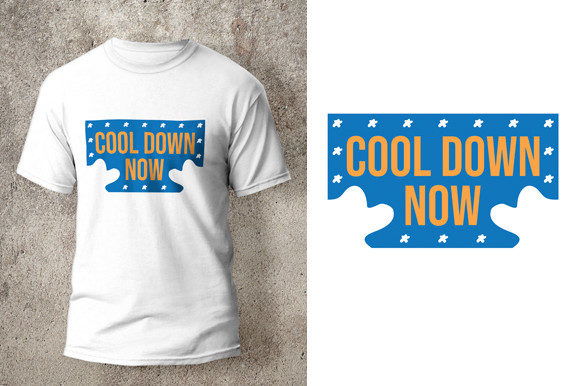
When you’re in the business of creating embroidered goods, whether for clients, your own shop, or as personalized gifts, the first thing you look for in a design isn't just its aesthetic appeal. You look for its potential in the hoop. The ‘Cool Down Now’ T-Shirt Design, as it's labeled in the digital marketplace, immediately presents itself as more than just a graphic. It feels like a ready-made blueprint for a specific kind of project, one that calls for a crisp, clean, and slightly playful execution.
The Immediate Mood and Practical Personality
Opening the file, the design’s personality strikes me as relaxed and confident. It’s not overly loud or aggressive; it has a chilled-out vibe that suggests comfort and casual style. For an embroidery designer, this is a useful starting point. This mood translates directly into product suitability. I mentally picture it on a soft, heavyweight cotton sweatshirt or a sturdy canvas tote bag—items that embody that same easy-going feel. The layout, with its presumably editable elements, suggests a design that can be centered nicely within a standard hoop, making it a straightforward candidate for a quick-turnaround project for a client wanting a custom gym bag or a boutique’s signature weekend sweatshirt.
Where This Design Excels in Real Projects
Given its described features—vector format, high resolution, and editable elements—the ‘Cool Down Now’ design shines in scenarios where clarity and adaptability are key. Think of a small business owner producing a line of embroidered aprons for a local coffee shop. The clean lines would stitch out beautifully on the apron's twill fabric. For an Etsy seller creating personalized baby items, like a cozy blanket, the design’s likely moderate detail level (assuming from the 'T-shirt design' categorization) would prevent overly dense stitching that could make the fabric stiff for a little one.
The editable nature is a massive plus for commercial embroidery and craft businesses. It means I can tweak colors to match a client’s brand palette for a corporate event gift, like embroidered polo shirts. Or, for a handmade shop, I could adjust elements to create a unique variation for a holiday gift series, perhaps adding a small festive accent to the design for a Christmas tea towel. The high-quality JPG and EPS files are crucial for creating professional printable mockups to list the finished product online, building customer trust before they even purchase the physical item.
Navigating the Stitching Terrain: Considerations for Success
While the design promises versatility, a practical review demands thinking about where it might require extra care. Any design with text, like ‘Cool Down Now’ likely includes, needs scrutiny on small lettering. Before running it on a final product, I'd always test on scrap fabric first, especially if planning to stitch it on a curved surface like a cap. The density of the fill stitches in any larger areas needs to be checked; too dense on a thin t-shirt could lead to puckering. Dark fabric presents its own challenge—thread color contrast must be planned carefully to maintain that crisp visual appeal.
Textured fabrics, like some linens for pillow covers, can sometimes swallow detail. I’d recommend reviewing the stitch file, if available, to see how small details are rendered. Products that need frequent washing, like kitchen towels or baby clothes, benefit from a robust stitch structure. Without knowing the exact stitch count or file formats from the provided description, my strong advice is to always confirm the specifics of the embroidery file itself—check the license for commercial use, test the hoop size compatibility, and inspect small details in a black-and-white mockup to ensure they’ll survive the translation from screen to stitches.
From Digital Asset to Finished Product Value
The true test of a design like this is how it elevates the final product. On a well-made sweatshirt, executed with proper stabilizer and quality thread, this design would add significant perceived value. It looks professional, not homemade in a shaky sense. That builds brand consistency for a small shop and increases giftability for a customer looking for a unique present. For an apparel decorator, a clean embroidery file that stitches out reliably means happy clients and repeat business. The design’s inherent ‘cool’ but approachable personality likely drives buyer engagement—it’s recognisable and wearable, fitting a wide audience from teens to adults seeking casual style.
Final Notes Before You Hoop It Up
My overall judgment as a designer who relies on these assets daily is that the ‘Cool Down Now’ T-Shirt Design, as a Graphics product in the Print Templates category, holds solid potential for a range of embroidery projects. Its strengths are its editable foundation and the professional-grade file formats, which are essential for both personal crafters and commercial embroidery operations. To make it work, follow the practical embroidery designer rituals: test, test, test. Run it on your scrap fabric that matches the final product’s weight and texture. Compare how it looks on light versus dark background mockups. Choose your thread colors with contrast and fabric type in mind.
Whether you’re aiming to create a series of embroidered patches for a craft fair, personalized tote bags for a wedding party, or a new line of products for your Etsy store, this design provides a strong starting canvas. Its success, however, will always depend on your skillful translation of the digital file into a physical, stitched masterpiece. Approach it with a confident and observant eye, and it will likely become a reliable asset in your embroidery project library.