A Practical Review of the Easter Day T-shirt Design 010 for Embroidery
When a new embroidery design drops into my library, my first question isn’t about its beauty on screen—it’s about its performance in the hoop. As someone who stitches designs for client projects, handmade shop items, and personalized gifts daily, I judge a file by how it translates from digital art to threaded reality. Let’s walk through the Easter Day T-shirt Design 010 from that exact, practical perspective.
The First Impression: Joyful Simplicity
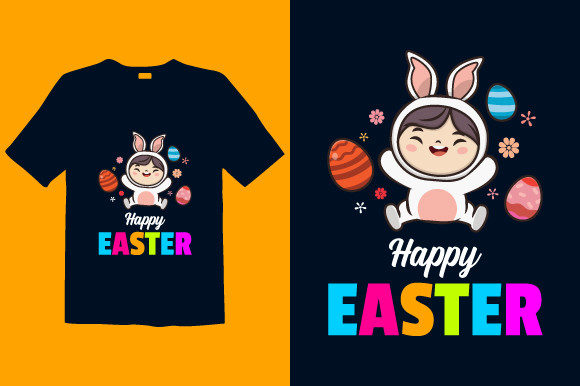
Opening this file, you’re greeted with a classic, cheerful Easter theme. The mood is instantly festive and warm, perfect for spring projects. The layout feels balanced, with a personality that’s friendly and approachable rather than overly intricate. This isn’t a design that shouts with complexity; it whispers with a clear, welcoming intention. For an embroidery designer, that’s a promising start. It suggests the design belongs naturally to projects where clarity and charm are key—think custom apparel for family gatherings, holiday gifts, or small shop merchandise aimed at a broad audience.
Where This Design Finds Its Home
In my mind, I immediately picture it stitched onto a crisp, cotton tea towel for a spring kitchen, or as a centered motif on a child’s lightweight sweatshirt. The detail level appears manageable, meaning it should adapt well to various scales. I envision it working beautifully on a tote bag for a craft fair booth, or as a sweet, small motif on a baby embroidery item like a bib or blanket. Because it falls under Print Templates and Graphics, its core strength is likely in its clean, scalable artwork, making it a versatile digital embroidery file for many applications.
Real-Life Embroidery Scenario: A Boutique Easter Tote
Let’s ground this in a real case. Imagine you’re preparing a limited run of embroidered tote bags for your Etsy shop or a local boutique. You want a design that’s recognizably Easter, but not so generic it feels mass-produced. You hoop a natural canvas tote, select a palette of spring thread colors, and run the Easter Day T-shirt Design 010. Here, the practical judgment begins. How do the curves hold up on a textured fabric? Does the stitch density feel appropriate for a bag that will see use? Does the design’s visual appeal elevate the product’s perceived value? A successful stitch here would mean clean satin stitches or fill stitches that pop against the fabric, creating a handmade presentation that feels both professional and giftable.
Performance Across Different Projects
This design’s potential stretches beyond totes. For embroidery projects like pillow covers, apron pockets, or cap fronts, its straightforward composition is an asset. On a curved surface like a cap, simpler designs with fewer tiny details are often safer bets. For commercial embroidery on a batch of sweatshirts, a clear, readable design like this helps with customer trust and brand consistency—people instantly understand the product. It could also serve as a lovely element in nursery decor or as a personalized gift, like an embroidered patch on a child’s jacket.
Caution Zones: Where to Hoop Carefully
Every design has its careful-use zones. With the Easter Day T-shirt Design 010, my instinct is to pay close attention to any very small lettering or intricate decorative accents if they exist. On thin or stretchy fabric, like a fine t-shirt, high stitch density in areas could lead to puckering. On dark fabric backgrounds, thread color contrast becomes paramount—you’d need to test to ensure the design’s lightness translates. Layered garments or items needing frequent washing, like kitchen towels, require a robust stitch structure. I’d advise testing it on a scrap of the actual project fabric first, especially if working with textured fabrics or small hoop sizes.
- Always test on scrap fabric first. This reveals how the design handles your specific material and stabilizer combination.
- Check thread color contrast. Run a small section on both light and dark mockups to gauge visual clarity.
- Review stitch density in your machine software. Ensure it’s suitable for your chosen fabric—too dense on a tee can be problematic.
- Confirm your hoop size. Make sure the design scales well to your intended size without losing integrity.
- Inspect small details. Look for any corners or tiny elements that might require careful stabilizer use.
The Impact on Your Craft Business
Using a design like this in your craft business isn’t just about making a nice item. It’s about how that finished product engages a buyer. A clean, well-stitched version of this Easter design on a product can enhance its giftability and professionalism. For an Etsy seller or digital product seller, it could also be a reliable asset for creating printable mockups or as part of a broader collection of design assets. However, the critical step is always confirming the licensing terms before selling finished items. The product description mentions it can be used ever, but as a professional, I always verify the specifics for commercial use.
Essential Designer Notes Before You Stitch
- Do not assume machine compatibility or specific file formats. Verify the files you receive work with your equipment.
- Use proper stabilizer for your fabric type; this is non-negotiable for a clean result.
- Consider whether the design’s style aligns with your brand’s aesthetic for consistency.
- Think about the end-use: a baby item needs soft fabrics and secure stitching; a decorative pillow can handle more density.
- Remember, the quality of your final embroidered patch or apparel hinges on your preparation as much as the design file itself.
A Final, Realistic Take
The Easter Day T-shirt Design 010 presents itself as a high-quality, trendy graphic. From an embroidery designer’s point of view, its true test comes in the hoop. Its strength likely lies in its adaptable, cheerful theme suitable for a range of spring and holiday projects. By approaching it with a professional, testing mindset—checking it on your fabrics, planning your thread palette, and respecting the constraints of different projects—you can transform this digital clip art into a lovely, stitched reality that adds genuine value to your handmade products or client work. That’s the practical journey from file to finished product, and it’s where the real design review always happens.