Why St. Patrick's Day T-shirt Design 040 Is More Than Just a Graphic
The First Impression: A Friendly, Festive Spirit
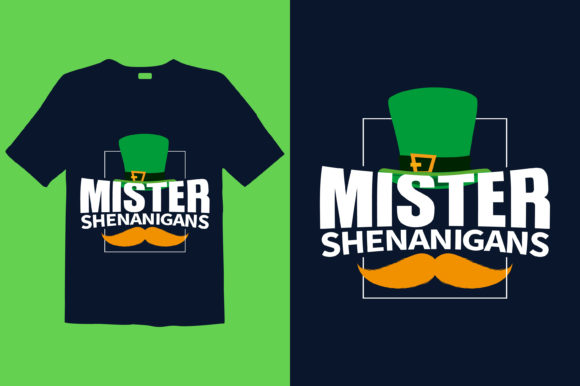
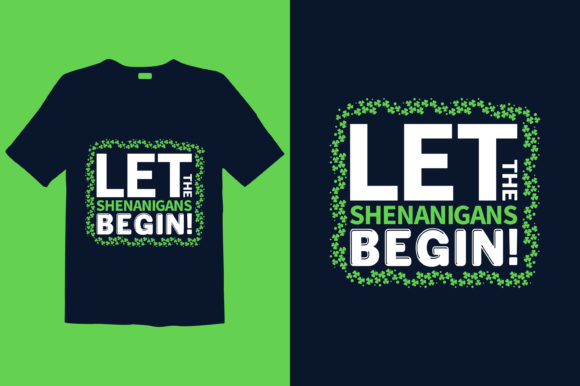
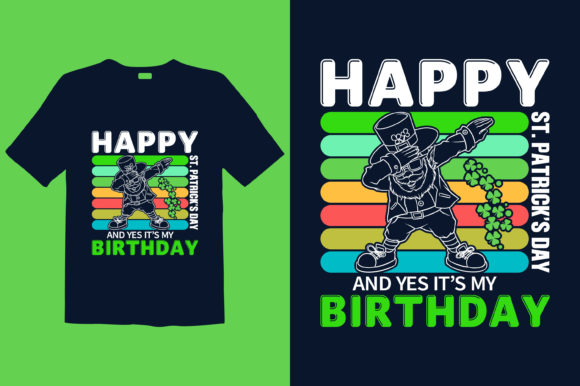
When you first open St. Patrick's Day T-shirt Design 040, the mood is instantly clear. It feels celebratory but approachable, a design that captures the holiday's charm without being overly loud or cluttered. The layout and detail level suggest a design that’s meant to be enjoyed, not just noticed. For an embroidery designer, this visual personality tells you it belongs on projects meant to spread a little joy—think of a custom embroidered sweatshirt for a friend or a holiday-themed tote bag at a spring craft fair. It’s not trying to be the most intricate piece in your portfolio; it’s aiming to be the one people smile at.
The Real-World Embroidery Scenario: From File to Finished Product
Let’s picture a real case. You’re preparing a batch of custom embroidered kitchen towels as holiday gifts for a small shop. You load the design, and the inclusion of multiple file formats like SVG and PNG makes that step smooth. But the real test begins at the hoop. On a textured cotton towel, how will this design translate from digital graphic to physical stitches? The key consideration is how the shapes will hold up. Will the finer elements, like any decorative accents or lettering, maintain clarity after stitching? This is where the practical judgment comes in.
St. Patrick's Day T-shirt Design 040 performs well on a variety of real-life embroidery projects. It naturally fits onto apparel like t-shirts and caps, especially for client projects looking for a festive touch. As a handmade product, it adds value to baby items like a celebratory bib or a nursery pillow cover. For an Etsy seller creating holiday-themed merchandise, this embroidery design offers a ready-made asset for tote bags, aprons, or patches. The design’s personality lends itself to personalized gifts—imagine it on a denim jacket with a name added alongside. Its appeal is broad, which is great for a craft business needing versatile digital embroidery files.
Where This Design Finds Its Best Home
The design feels most at home on medium to larger surfaces where its festive spirit can shine without being cramped. A standard adult sweatshirt chest or a tote bag panel is ideal. It would also work beautifully for creating an embroidered patch, which could then be applied to various items. For commercial embroidery projects, such as a small run of boutique polo shirts for a St. Patrick’s Day event, the design offers recognizable, professional holiday branding.
Points of Caution for the Practicing Designer
Every design has its optimal applications, and knowing the limits protects your finished product’s quality. With St. Patrick's Day T-shirt Design 040, you should be mindful on very small hoop sizes. If you’re thinking of putting it on a baby hat, inspect the small details first on scrap fabric to ensure they don’t get lost. Similarly, on stretchy or thin fabric, like a lightweight tee, stitch density and proper stabilizer choice become critical to prevent puckering and maintain the design’s shape.
Dark fabric backgrounds require careful thread color contrast planning. The traditional greens and golds need to pop, so testing a sample on your actual project fabric is a non-negotiable step. Also, on curved surfaces like caps, consider how the design’s layout will adapt to the shape; some elements might need slight repositioning for visual balance. For products destined for frequent washing, like a tea towel, ensure your stitch settings are robust enough for durability.
How This Design Impacts Your Project's Appeal and Value
Using a design like this effectively boosts your project’s visual appeal and stitching clarity. When a design translates well from file to stitches, it builds customer trust in your handmade presentation. For a creative entrepreneur, it enhances brand consistency across your holiday product line—every embroidered item feels part of a cohesive collection. The giftability of an item featuring this design is high; it’s recognizably festive and feels thoughtfully chosen. Ultimately, this engagement can lead to better buyer response at a craft fair or in your Etsy listings.
Practical Notes From the Worktable
Before you commit this design to a client’s order or your own small shop product, run these checks. Always test the embroidery file on scrap fabric first, ideally a piece similar to your final project material. Review the stitch density in this test—are fill stitch areas too dense for the fabric? Confirm the effective hoop size needed by observing the design’s dimensions in your software. Inspect any tiny lettering or detailed corners for potential thread buildup.
It’s also wise to test the design in black and white printable mockups to see how it reads without color, and compare how it looks on both light and dark fabric backgrounds digitally. Use proper stabilizer for your specific application; a tote bag might need a different type than a baby blanket. Crucially, check the provided file formats and their compatibility with your workflow. The product includes DXF, SVG, PNG, EPS, and AI files, which cover many needs for both personal and commercial projects. However, always confirm the specific licensing terms before selling finished items or using it as a base for digital products. The description states it’s for Print Templates and Graphics, so ensure your intended commercial use aligns with that.
Final Thoughts: A Design Ready for Celebration
St. Patrick's Day T-shirt Design 040 is a solid, festive asset for the embroidery designer looking to add holiday cheer to their work. It’s not the most complex design you’ll encounter, but its strength is in its friendly, applicable nature. It fits into the workflow of a hobbyist making a personalized gift or a professional apparel decorator fulfilling a boutique order. By approaching it with practical eyes—testing, adapting, and placing it on the right products—you can transform this digital graphic into a finished product that genuinely celebrates the season and satisfies your customers. Remember, the best embroidery projects start with a good design file and end with thoughtful execution.