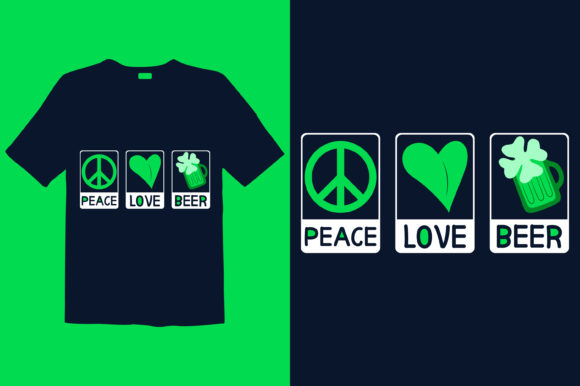
St. Patrick’s Day T-Shirt Design 025: A Graphics & Print Template Review
When I first opened the ZIP folder for St. Patrick’s Day T-shirt Design 025, I immediately saw a graphic design asset that does more than just sit on a tee — it carries the kind of editorial energy that can transform a seasonal blog post, a craft tutorial, or a small business promo into something that feels intentional and clickable. The mood is immediately celebratory, playful, and undeniably St. Patrick’s in a way that leans toward modern, clean line art without feeling like cheap clip art. For a publisher curating content around holidays, family activities, or DIY lifestyle niches, that first impression is everything. This isn’t a throwaway icon; it’s a visual handshake that tells readers you’ve put thought into every pixel of your page.
First Impressions: Festive Energy and Clean Line Work
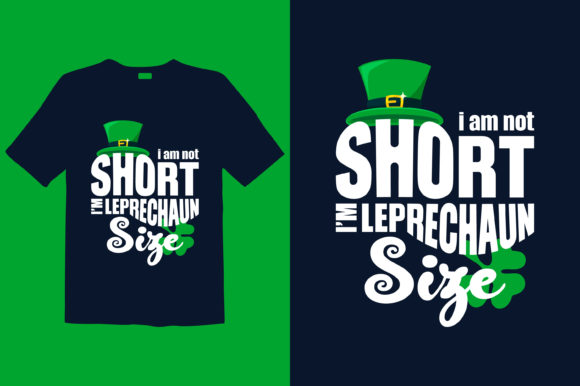
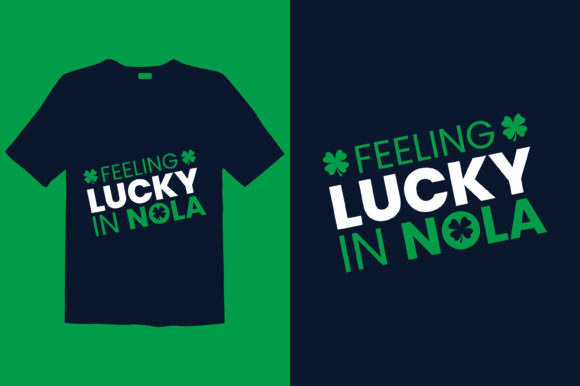
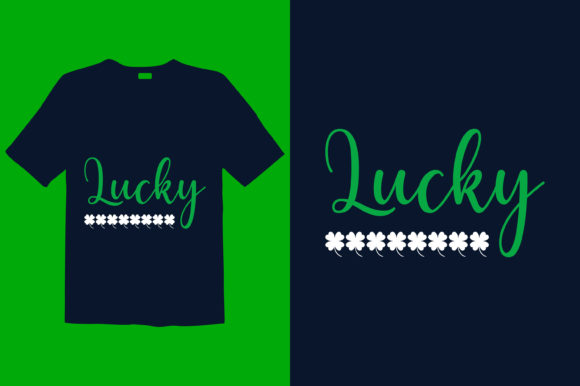
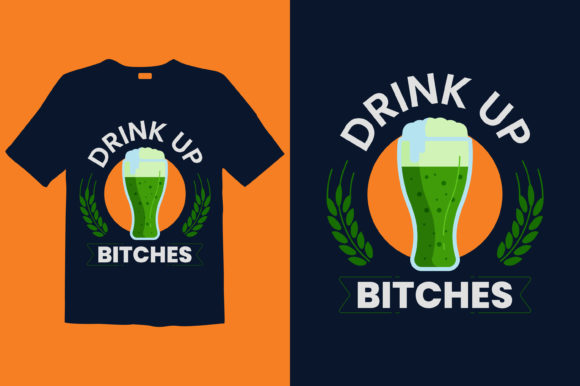
The design itself likely pairs bold lettering — think cheeky Irish sayings or shout-outs to the 17th of March — with shamrocks, pint glasses, leprechaun hats, or Celtic knots. What struck me is how well the line weight and composition hold up even at different scales. That matters for anyone who’s ever placed a weak graphic inside a blog hero image only to see it vanish at mobile breakpoints. The St. Patrick’s Day T-shirt Design 025 sits in that sweet spot between festive and polished, meaning it can anchor a Pinterest pin as easily as it can add personality to a media kit or digital guide cover. It’s a seasonal spark, but one built with enough restraint to keep your content looking curated rather than chaotic.
What’s Inside the ZIP Folder: A Print-Ready Toolkit for Publishers
After purchase, you receive an instant download — a neatly organized ZIP that includes five file formats, all at 300dpi. There’s an AI file for deep editing in Illustrator, an EPS that keeps vectors crisp for resizing, a DXF optimized for cutting machines, an SVG that imports beautifully into Canva or other web-based design tools, and a transparent PNG that’s ready to drag onto any blog canvas right out of the folder. For a content publisher, this isn’t just convenience; it’s a time machine. You can pop the PNG into a newsletter header in seconds, then convert the SVG into a three-color palette for a recipe roundup pin without ever leaving your browser. Having both editable source files and immediate-use web formats means this asset adapts to whatever publishing toolchain you already rely on.
Where a T-Shirt Graphic Becomes a Blog’s Visual Anchor
I often tell bloggers to treat seasonal content the way a magazine treats a themed issue. You need a recurring, recognizable design asset that signals the shift. St. Patrick’s Day T-shirt Design 025 can be that anchor. Imagine a parenting blog preparing a week-long series of green recipes, printable kids’ activity sheets, and book lists — every hero image, social media graphic, and content upgrade could carry the same design DNA. That kind of visual consistency doesn’t just look professional; it builds reader trust. When someone scrolls through your category page and sees the same shamrock motif echoed across article thumbnails, they instinctively understand you’ve built an intentional curation, not a random collection of links. I’d use the transparent PNG as a layered accent over brand photography, or place the SVG version inside a Canva template to create a bundle of Pinterest pins that feel like a unified campaign.
Pinterest Pins That Pop: Why This Design Works for Clickability
On a platform like Pinterest, seasonal graphics live and die by their ability to stop a thumb mid-scroll. The high-contrast potential of St. Patrick’s green against white or soft cream backgrounds is a built-in advantage. But beyond color, it’s the shape density that matters. A well-drawn t-shirt design typically has bold outlines and clear iconography that reads even at the tiny 2:3 aspect ratio preview. I’d test this by overlaying a pin headline — say, “17 Easy St. Patrick’s Day Crafts” — directly on the design using a clean sans-serif or a warm display font. Because the graphic already carries the holiday clues, the text doesn’t have to scream for attention; the visual hierarchy drops neatly into place. That kind of editorial balance is what separates a pin that gets saved from one that gets scrolled past. The St. Patrick’s Day T-shirt Design 025 functions as both decor and directional cue, guiding the reader’s eye from the graphic to the headline to the call-to-action.
Editorial Branding: Building Trust with Consistent Seasonal Assets
One thing experienced digital publishers understand is that branded content isn’t just a logo in the corner. It’s a visual language that stretches across blog graphics, lead magnets, and even affiliate content visuals. When I look at a print template like this, I see more than a t-shirt file — I see a building block for a small business branding kit. You could use the EPS to create matching social media icons for the entire month of March, or drop the PNG into the header of a downloadable PDF guide about hosting a St. Patrick’s Day brunch. Each touchpoint reinforces that your brand cares about the reader’s experience down to the smallest detail. And because it’s a commercial design asset, you can use it across monetized websites, sponsored posts, and email campaigns without worrying about copyright gray areas — assuming you’ve confirmed the commercial license terms, which I’ll touch on later.
When to Hold Back: Avoiding Clutter and Mobile Thumbnail Pitfalls
No design asset is universally right for every context. I’d be careful about placing St. Patrick’s Day T-shirt Design 025 on text-heavy blog images where it might compete with a long headline or a busy background. If your article’s featured image already has a photograph, a secondary illustration, and a giant title, adding another graphic element can push things into visual noise. The same goes for tiny mobile thumbnails — test it at 150px wide to make sure the details don’t become muddy. Sites in serious professional niches (corporate law, medical journals) might find the playful tone jarring, though a financial blog running a lighthearted “lucky investment tips” piece could absolutely use it as a category visual. Think about your reader’s expectation: a playful, lifestyle-friendly, or creative niche gets all the benefits; a ultra-minimalist, text-first publication might want to use it sparingly, perhaps only in a dedicated seasonal roundup.
Practical Publisher Workflow: From Download to Live Post
Here’s the real-case workflow I’d run with this graphic. First, unzip and preview the transparent PNG at full resolution. Next, open your blog’s visual template — whether that’s Canva, Photoshop, or Illustrator — and import the SVG if you need to recolor elements (maybe you want a softer sage green instead of neon kelly). For a quick article header, I’d layer the PNG over a softly blurred background photo, add a strong serif headline in the top third, and export as a compressed JPEG. For a Pinterest pin, I’d drop the SVG into a tall vertical canvas, scale it to occupy the upper center, and pair it with a short, bold title using a handwritten font for a cozy touch. Always test on both desktop and mobile by previewing the image inside a real blog layout — does the graphic hold its mood when it’s small? Is the contrast still punchy? Then, compress the final file with a tool like TinyPNG to keep page load times healthy. And remember, if you’re offering this as part of a downloadable content upgrade or a printable design inside a paid product, double-check the license allows digital redistribution in that form.
Licensing and Commercial Use: What Bloggers Need to Know
Whenever you bring a third-party graphic into a monetized content ecosystem, licensing matters. The fact that this is a Print Templates category product and comes with fully editable source files suggests it’s intended for both personal and commercial work, but you should read the specific terms that accompany your purchase. Usually, with such design assets, you’re free to use them in website headers, social media graphics, digital downloads, and even printed material you sell — provided you don’t resell the raw file as-is. For bloggers running affiliate marketing campaigns or selling digital guides, that commercial license is non-negotiable. It’s the difference between a confident creative workflow and a risky one. I appreciate that this package doesn’t just dump a low-res PNG and call it a day; the inclusion of AI, EPS, and SVG formats shows it was crafted with professional, scalable use in mind.
Elevating Small Business Branding with One Smart Design Choice
If you run a small online shop or a side hustle that relies on seasonal micro-content — think Etsy sellers, digital planners, or craft bloggers — this one graphic can populate an entire month’s worth of touchpoints. Use it inside your newsletter header for a special St. Patrick’s sale announcement; pull it onto a media kit page to show sponsors your visual savvy; turn it into a Instagram Stories sticker by extracting a single shamrock from the SVG. The versatility of a well-organized file suite means you’re not paying for a single use, you’re buying a tiny brand extension that slots into your existing design system. And because the files are print-ready, you could even produce a limited run of actual t-shirts or mugs as a reader giveaway, further blurring the line between digital publisher and lifestyle brand.
The Emotional Pulse of a Well-Chosen Design Asset
Finally, let’s talk about the intangible — the feeling behind the graphic. St. Patrick’s Day is about luck, camaraderie, and the bright hope of spring. A design asset that captures even a fraction of that emotion makes your content feel more human. When a reader lands on your blog and sees a featured image that feels hand-picked rather than algorithmically generated, their trust ticks up a notch. That’s the hidden editorial power of St. Patrick’s Day T-shirt Design 025. It’s not just a graphic; it’s a subtle message that you, the publisher, are in the moment with them, celebrating the same little joys. And in a digital landscape where attention is won or lost in a breath, those thoughtful seasonal touches are what keep loyal audiences returning — and clicking — all year long.