A Graphic Designer's Review: The Keep Calm and Hunt Hunting T-Shirt Design
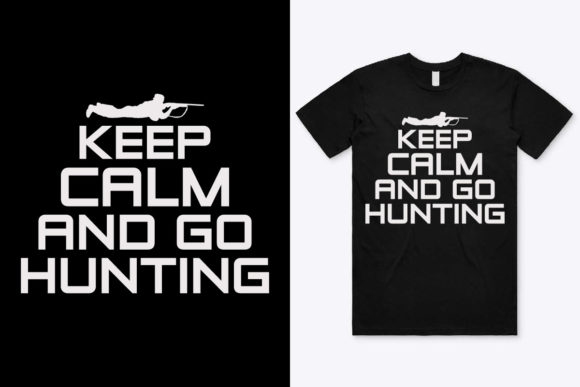
When a new design asset lands in my toolkit, I immediately assess its potential for real-world application. This isn't about a passive review; it’s a practical judgment based on years of integrating graphics and print templates into client branding, product launches, and marketing campaigns. Today, I’m evaluating the Keep Calm and Hunt Hunting T-Shirt Design.
First Impressions: Mood and Visual Style
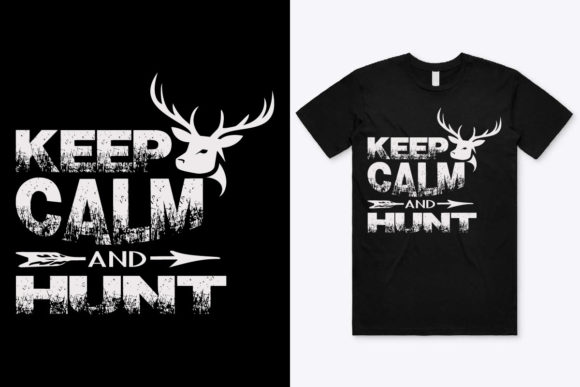
The first thing I notice is the confident, playful mood it creates. The phrase itself, styled with a strong, clear typeface, leans into a modern hunting culture aesthetic—it’s bold, direct, and slightly humorous. This isn’t a subtle, corporate graphic. It feels like a statement piece, perfect for creating a visual identity for a niche, community-focused brand. It immediately conjures ideas for a small business selling outdoor gear, a local hunting club’s event merchandise, or an Etsy shop specializing in rustic, handmade goods.
Fitting the Design into a Real Client Project
Let’s frame this around a concrete scenario. Imagine I’m tasked with creating a seasonal campaign for a boutique outdoors store launching a new line of apparel. They need cohesive branding across t-shirt designs, social media graphics, and packaging details. The Keep Calm and Hunt Hunting T-Shirt Design offers a ready-made core graphic. Its strong typographic foundation can serve as a hero element for t-shirt mockups, a bold header on their website graphics, or a focal point on promotional posters. It provides a stylistic anchor.
Where This Design Asset Works Best
In practical application, this design excels in specific areas. Its clarity makes it ideal for large layout areas and hero graphics. Think of it dominating a product mockup for a t-shirt or tote bag, acting as the central decorative accent on a sticker design, or forming the thematic core for a collection of printables like wall art or mug designs. For social media posts, particularly Instagram and Pinterest pins, its straightforward message creates instant engagement. As a supporting brand element on packaging design—say, a small logo or accent on a product label—it adds a touch of personality.
- Large-scale Applications: T-shirt design, posters, tote bags, website hero sections.
- Themed Collections: Building out a full line of merchandise or printable designs around the core theme.
- Campaign Visuals: Digital ads, blog visuals, and editorial design for a targeted campaign.
- Decorative Accents: Stickers, sublimation designs, Cricut projects for personalized items.
Caution Areas: Where to Use Carefully
Every graphic has its limits. The Keep Calm and Hunt Hunting T-Shirt Design should be used thoughtfully in contexts where visual hierarchy is paramount. In small sizes, like tiny icons on a crowded web design footer, the text may lose impact. On complex or low-contrast backgrounds, readability can suffer unless you carefully adjust the colors. This is not inherently a minimalist branding asset; it’s a display piece. It would feel out of place in overly professional corporate materials where a cleaner, serif font might be expected.
- Small Sizes: Avoid using it as fine detail in dense layouts.
- Complex Backgrounds: Requires careful contrast testing.
- Corporate/Minimalist Projects: Its style is inherently bold and niche-specific.
Impact on Brand Consistency and Professionalism
Using a pre-made graphic design asset like this influences the entire project’s perception. When edited and integrated properly—using the provided editable Illustrator, EPS, SVG, and PDF files—it can enhance brand consistency. You can colorize the fil to match a client’s palette, ensuring visual trust and recognition across platforms. Its emotional appeal is direct, fostering audience engagement with a clear message. However, its professionalism hinges entirely on your execution. Slapping the JPEG onto a design without refinement looks amateurish. Proper integration, using the vector files to ensure crisp print quality on merchandise or packaging design, makes the final result feel polished and intentional.
Practical Designer Notes Before Commercial Use
Before I commit this asset to a client project, I run through a checklist. This is standard practice for any digital product intended for commercial design.
- Test Flexibility: Open the AI and SVG files. Check the vector editability. Can I easily change colors, separate elements, or resize without loss? The ability to colorize is crucial.
- Check Transparency: The included transparent PNG file is valuable for overlays on mockups or social media graphics. Inspect the edges for clean transparency.
- Evaluate Readability: Preview the design at both large and small sizes. Print a test page at different scales to assess print quality for print-on-demand applications.
- Contrast Testing: Place it on both light and dark backgrounds. See how it performs in black and white for potential applications where color isn’t available.
- Style Comparison: Mentally compare its display font style with other typography (serif, sans serif, script) in the project to ensure harmonious visual hierarchy.
- Confirm Licensing: Absolutely verify the commercial license terms. Never use a design asset for a client or business project without confirmed commercial rights.
- Mockup Integration: Place it on real product mockups—a t-shirt, a mug, a book cover—to see how it interacts with the medium.
Final Judgment for the Creative Marketplace
The Keep Calm and Hunt Hunting T-Shirt Design, as a graphic design asset, is a solid, niche-specific tool. For designers, brand owners, and content creators working within the hunting, outdoor, or rustic lifestyle markets, it provides a ready-made stylistic foundation. Its value lies not just in the multiple file formats—from editable vectors to web-ready JPEGs and PNGs—but in its potential to be expertly adapted. For a Canva template, a Cricut project, or a series of printable wall art, it can speed up the creative process. However, its success in a real client project depends on the designer’s skill to tailor it, test it, and integrate it thoughtfully into a broader, professional visual system. It’s a useful piece, but like any tool, its outcome depends on the craft of its user.