A Designer's Review: Luxury USA T-Shirt Vector for Graphics & Print Templates
When a new digital product lands on my desktop, my first thought is always about a real-world application. The Luxury USA T-Shirt Design Vector recently came across my screen while I was sketching concepts for a client—a boutique hotel in a coastal town launching a limited-edition summer merchandise line. Their request was specific: a design that felt premium and patriotic, but understated and adaptable for high-end tote bags, crewneck sweatshirts, and social media campaign visuals. This is my review of that asset from the perspective of a working designer, evaluating it for that very project.
The First Impression: Crafting a Mood of Elegant Americana
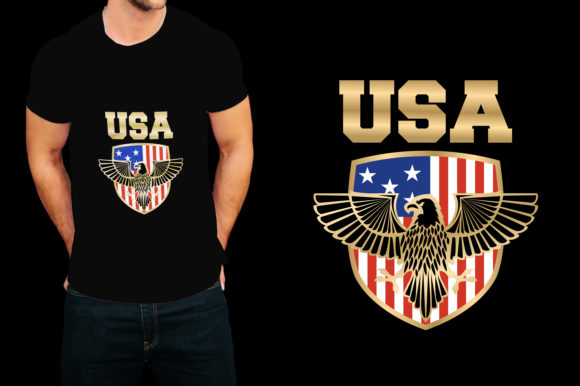
Opening the Luxury USA T-Shirt Design Vector file, the immediate mood is one of refined celebration. It avoids overt, blocky patriotism, leaning instead into a more artistic and layered interpretation. The visual elements feel deliberate, with a composition that suggests quality rather than casual novelty. This isn’t a generic clipart; it carries a style that fits clients who want their brand to feel established, handmade, or part of a curated product line. For my hotel client, or for an artisan Etsy shop selling USA-themed goods, a small business with a heritage story, or a seasonal campaign for a local event, this design asset provides a ready-made core visual that communicates trust and a thoughtful aesthetic.
Performance in Real Design Situations: Beyond the T-Shirt
The true test of any graphic design asset is its versatility across mediums. Here’s how the Luxury USA T-Shirt Design Vector performed in my mockups for the client project.
For logo design and brand identity, its detailed elements can be isolated to create a sophisticated badge or emblem, especially when paired with a clean serif font for the business name. In product labels and packaging design for limited-release items, it serves as a beautiful decorative accent, adding value perception. As a central graphic for posters, flyers, or invitations for a launch event, it commands attention and sets the thematic tone.
For merchandise—the obvious t-shirt design, but also mugs, tote bags, and sticker design—the vector format ensures crisp edges and perfect print quality for sublimation or standard methods. In digital realms, it became a strong hero graphic for the hotel’s website refresh and a series of cohesive Instagram posts and Pinterest pins. I even dropped it into a Canva template for the marketing team to use, and its layers allowed for quick adjustments. For Cricut projects, the clean vector paths are ideal for cutting vinyl or heat-transfer material.
Where This Design Asset Works Best
The Luxury USA T-Shirt Design Vector thrives in applications where its detail can be appreciated. Use it in large layout areas like hero banners or product mockup fronts. It’s excellent as a focal point in themed collections, providing a consistent visual thread across a campaign visual series. It works wonderfully as an ornate detail on packaging design, like a foil-accented corner element. For printable designs like wall art or stationery, and as a defining element in social media graphics, it adds immediate polish.
Where to Use This Asset with Care
Designers should be mindful in a few scenarios. At very small sizes, some intricate details may become muddy or lose impact. In crowded layouts with too many competing elements, its elegance could get lost. Avoid placing it on complex backgrounds that break its visual cohesion. For projects requiring stark minimalist branding or for very formal professional corporate materials, the asset might feel too decorative. It requires a project that welcomes its specific stylistic emotion.
Impact on Design Fundamentals: Readability, Trust, and Engagement
Integrating this asset into a client’s project directly affects key design principles. Its layered nature requires careful visual hierarchy; surrounding text, particularly if using a script font, needs clear spacing to maintain readability. When used consistently across touchpoints, it significantly boosts brand consistency for a small business branding effort. The premium feel it evokes enhances visual trust and emotional appeal, making an audience more likely to engage with a product launch or editorial design. Ultimately, it elevates the professionalism of the entire project, moving it away from a DIY look toward a commercial design standard.
Practical Designer Notes Before Client Use
Before committing any digital product to a paid project, I run a series of checks. Here is my checklist for the Luxury USA T-Shirt Design Vector.
- Test in Black and White: How does it hold up without color? This is crucial for cost-effective printing or alternate applications.
- Check Contrast: Place it on both light and dark backgrounds in your mockups to ensure key elements remain legible.
- Preview at Scale: View it at both a tiny icon size and a large poster size to identify any elements that might vanish or become overly dominant.
- Place on Real Mockups: Don’t just look at the vector file. Apply it to actual t-shirt, mug, and tote bag mockups to judge its real-world fit.
- Review File Formats: The provided .zip with individual layers and editable text in AI format is a professional’s dream. Ensure you have the right software to access and edit the editable source files.
- Confirm Licensing: Always verify the commercial license terms. For use in print-on-demand, Etsy products, or client marketing visuals, you need clear, unrestricted commercial rights.
This asset, when treated as a foundational component rather than a final product, becomes a powerful tool. It saves hours of initial illustration work, provides a credible aesthetic starting point, and can be disassembled to fuel an entire creative design bundle for a brand. For the graphic designer, brand owner, or digital seller, it’s about leveraging these design assets intelligently to create a polished, cohesive, and market-ready result. For my boutique hotel client, the Luxury USA T-Shirt Design Vector became the cornerstone of their summer visual identity, proving its worth as more than just a print template—it was a key graphic design asset for building a complete brand experience.